Source Anti-Wrinkle Whitening Cream for Face, Body, and Neck
Find 30 Anti-Wrinkle Whitening Cream options from verified manufacturers. Compare OEM/ODM services, certifications like GMP and FDA, and packaging standards to select the right skin care solution for your brand.
Key considerations
Products List


Private Label Face-Lifting Anti-Wrinkle Cream Whitening Day Night Face Cream
$2.52 - $2.99
MOQ: 3000 Pieces


OEM Natural Whitening Cream Lightening Brightening Cream for Face & Body
$1.50 - $7.50
MOQ: 3000 Pieces


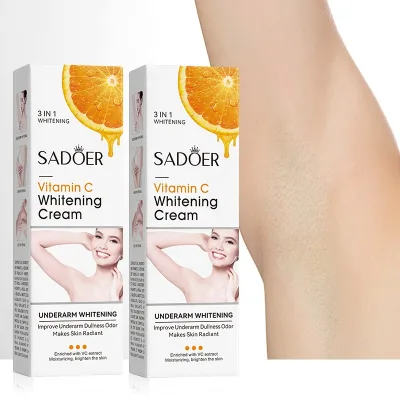
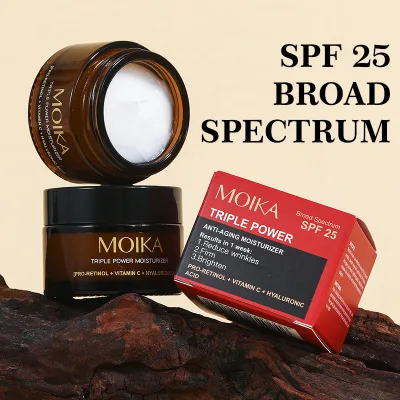
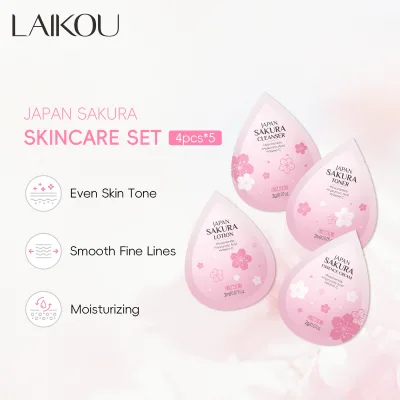
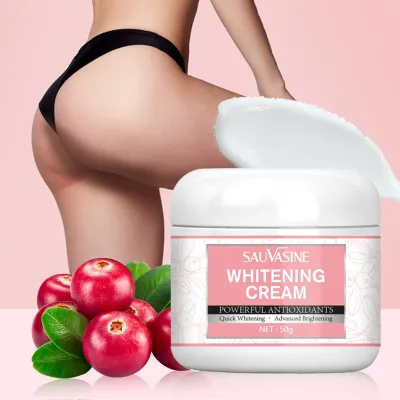
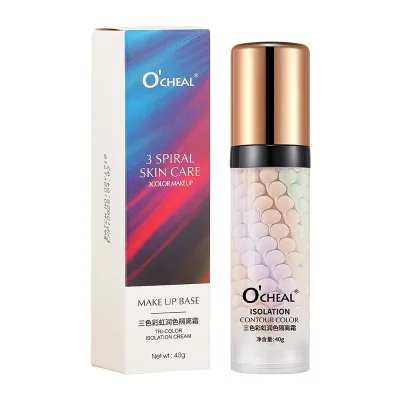


Private Label Anti Aging Cream and Wrinkles Face Whitening Cream for Body
$0.54 - $0.60
MOQ: 10000 Pieces
Comprehensive Sourcing Guide
Anti-Wrinkle Whitening Cream Sourcing Guide
Sourcing anti-wrinkle whitening cream requires a disciplined approach that balances cosmetic efficacy with rigorous regulatory compliance. This category of skincare products targets adult consumers seeking to address signs of aging and hyperpigmentation simultaneously. Buyers must recognize that while the core function is skin whitening and anti-aging, the specific formulation and ingredient profile can vary significantly between suppliers. The observed market data indicates a wide range of product models, from standard lotions to specialized face creams, with origins predominantly in China, particularly Guangdong. Understanding these variations is critical for aligning procurement with brand positioning and target demographic needs.
The procurement process for these creams involves navigating complex customization options and varying commercial terms. Suppliers frequently offer OEM, ODM, and private label services, allowing brands to tailor packaging, scent, and active ingredient concentrations. However, this flexibility introduces risks related to quality consistency and regulatory adherence. Buyers must establish clear specifications early in the sourcing journey to ensure that the final product meets both marketing claims and safety standards. The following guide outlines the essential steps for verifying product scope, technical specifications, compliance documentation, cost structures, supplier qualifications, and long-term procurement viability.
Product Scope and Observed Listing Signals
The product scope for anti-wrinkle whitening cream encompasses a variety of formulations designed for daily skin care routines. Observed listings indicate that these products are primarily targeted at women and adults, with some variations suitable for all ages. The core functions identified include skin whitening, moisturizing, repairing, and revitalizing. These creams often feature ingredients like glycerin as a main component, providing hydration alongside lightening effects. The form factor is typically a lotion or cream, applied either during the day or night, depending on the specific product design and intended user routine.
Listing signals reveal significant diversity in product attributes and packaging options. Models range from 30g to 150g sizes, with packaging available in cartons or customized to customer requirements. Features commonly highlighted include anti-aging, anti-wrinkle, firming, lightening, nourishing, and skin revitalizing properties. Some suppliers emphasize their experience, such as 15 years in the industry, and offer free samples to facilitate initial evaluation. These signals suggest a mature supply chain capable of supporting both small-scale testing and large-volume production, but buyers must carefully distinguish between generic offerings and specialized formulations.
Technical Specifications to Verify
Verifying technical specifications is paramount to ensuring product performance and consumer satisfaction. Buyers should confirm the exact model and standard of the cream, such as 30ml, 35ml, 50g, or 150g variants, to align with packaging and pricing strategies. The form of the product, whether lotion or cream, impacts user experience and stability. Additionally, the shelf life, often cited as three years, must be verified to ensure inventory management aligns with sales velocity. Understanding the precise physical properties helps in selecting the right product for specific market segments and distribution channels.
Ingredient composition and functional claims require careful scrutiny to avoid misleading marketing or regulatory issues. While glycerin is a common main ingredient, the presence and concentration of active whitening and anti-aging agents should be confirmed. Features like anti-wrinkle and firming effects must be supported by the formulation’s actual capabilities. Buyers should request detailed ingredient lists and functional descriptions to ensure that the product meets the advertised benefits. This verification process helps in building trust with consumers and avoiding potential disputes over product efficacy.
Compliance and Safety Documentation
Compliance and safety documentation are non-negotiable elements in the sourcing of anti-wrinkle whitening cream. Certifications such as MSDS, CE, FDA, and GMP are frequently mentioned in listings, indicating adherence to specific safety and manufacturing standards. Buyers must verify the validity and scope of these certifications, ensuring they apply to the specific product and manufacturing facility. MSDS provides critical information on material safety, while GMP ensures quality control during production. These documents are essential for importing and selling the product in various international markets.
Regulatory requirements vary by destination market, making it crucial to understand local compliance needs. For instance, FDA approval may be necessary for the US market, while CE marking is required for Europe. Buyers should work with suppliers who can provide comprehensive documentation, including product safety assessments and ingredient compliance reports. Failure to secure proper documentation can lead to customs delays, product seizures, or legal liabilities. Establishing a clear compliance framework early in the sourcing process mitigates these risks and ensures smooth market entry.
Cost Drivers and Commercial Terms
Cost drivers for anti-wrinkle whitening cream include raw material quality, packaging customization, and order volume. The observed price range of $0.11 to $150 USD reflects significant variation based on these factors. Higher prices may correlate with premium ingredients, advanced formulations, or extensive customization options. Conversely, lower prices might indicate basic formulations or bulk purchasing advantages. Buyers should analyze the cost structure to determine the value proposition of each supplier offering, considering both unit price and total landed cost.
Commercial terms such as MOQ, lead times, and payment conditions also influence the overall cost. MOQs range from 2 to 30,000 pieces, offering flexibility for different business sizes. Suppliers may offer free samples, which can be valuable for quality assessment but should be factored into the initial cost analysis. Lead times and production capacity are critical for inventory planning and meeting market demand. Negotiating favorable terms, such as flexible MOQs or extended payment periods, can improve cash flow and reduce financial risk for buyers.
Supplier Qualification and Quality Control
Supplier qualification is a critical step in ensuring the reliability and consistency of anti-wrinkle whitening cream supplies. Buyers should assess suppliers based on their experience, production capabilities, and quality control systems. Suppliers with 15 years of experience, as noted in some listings, may offer greater stability and expertise. However, experience alone is not sufficient; buyers must verify the supplier’s ability to maintain consistent quality across batches. This includes reviewing their manufacturing processes, testing protocols, and traceability systems.
Quality control measures should be integrated into the procurement process to mitigate risks. Buyers should request product samples for thorough testing, including stability tests and efficacy evaluations. Establishing clear quality standards and inspection criteria helps in identifying potential issues early. Regular audits of the supplier’s facilities and processes can further ensure compliance with agreed-upon specifications. Building a strong relationship with qualified suppliers fosters trust and facilitates continuous improvement in product quality and service.
Long-Term Procurement Checks
Long-term procurement checks are essential for maintaining a sustainable and competitive supply chain for anti-wrinkle whitening cream. Buyers should regularly review supplier performance metrics, including on-time delivery, product quality, and responsiveness to issues. Continuous monitoring helps in identifying potential risks and opportunities for improvement. Establishing key performance indicators (KPIs) and conducting periodic supplier evaluations ensures that the supply chain remains aligned with business goals and market demands.
Adapting to market changes and regulatory updates is crucial for long-term success. Buyers should stay informed about emerging trends in skincare, such as new ingredients or formulation technologies, and adjust their sourcing strategies accordingly. Regularly updating compliance documentation and verifying supplier certifications ensures ongoing adherence to regulatory requirements. By proactively managing these aspects, buyers can build a resilient supply chain that supports growth and maintains product integrity in a dynamic market environment.
FAQs
What certifications do the Anti-Wrinkle Whitening Cream products have?
The products hold multiple certifications including CE, FDA, GMP, and MSDS. These documents verify compliance with international safety and manufacturing standards for skin care items.
Can I request custom packaging for the whitening cream?
Yes, customization is available for product packaging including cartons and customer-specific requirements. Buyers can specify unique packing needs to align with their brand identity.
What is the minimum order quantity for this skin whitening cream?
The minimum order quantity ranges from 2 to 30,000 pieces depending on the supplier. Some listings specify a standard MOQ of 1,000 pieces for bulk orders.
Which ingredients are primarily used in the anti-aging whitening lotion?
Glycerin is listed as a main ingredient in the formulation of these skin care products. The lotion also provides moisturizing and nourishing effects for adult skin.
How long is the shelf life of the whitening face cream?
The shelf life for these products is typically three years from the date of manufacture. This duration ensures product stability and efficacy before opening.
What specifications are available for the anti-wrinkle cream models?
Available specifications include various weights such as 30g, 50g, and 150g, as well as volume options like 30ml and 35ml. Models are also categorized as lotion or face cream.
Where are the Anti-Wrinkle Whitening Cream manufacturers located?
Manufacturers are located in China, with specific origins noted in Guangdong. This region is a known hub for producing skin care and cosmetic products.